Abortion: Know the Facts
Deciding to have an abortion is a very serious choice, and knowing abortion risks and side effects that come with it is important for your health.

Considering the Abortion Pill?
You deserve honest, clear answers before you decide. Get your questions answered in a free, confidential session.
Know Before You Decide
Confirm your pregnancy. Understand your options. Protect your health.
Schedule your free appointment today.
You Are Not Alone
Talk with someone who will listen—without pressure or judgment. Chat with a nurse 24/7.
Have you taken the first abortion pill? You may still have time.
Chat Now for Immediate Help
You Are Not Alone
No matter what you’re feeling right now, you don’t have to sort through it by yourself. Our medical team is here to walk with you, answer your questions, and help you understand your options—always without pressure or judgment.
If you’ve already taken the first dose of the abortion pill (mifepristone), Abortion Pill Reversal may still be possible, but acting quickly matters.
- Treatment works best when started within 24–72 hours
- The sooner you reach out, the better your chance of continuing your pregnancy
- You’re not alone—help is available right now


Why an Ultrasound Matters First
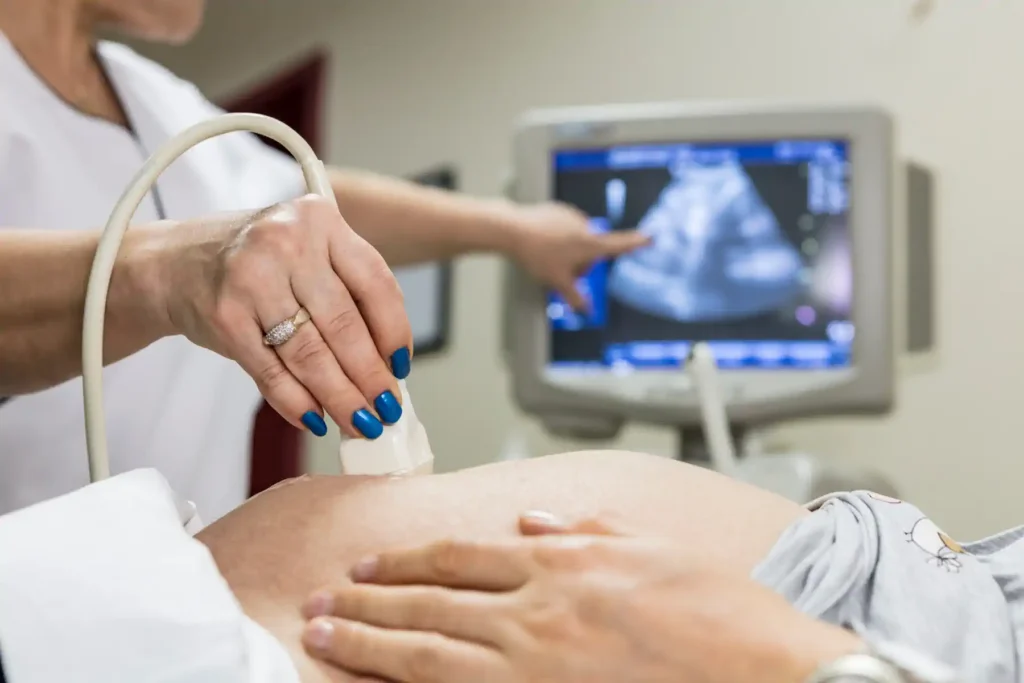
Before making any decisions, an ultrasound is an important first step. Every pregnancy is different, and an ultrasound gives you essential information about your health and what’s happening in your body. During your appointment, we confirm key details like:
- Viability - making sure the pregnancy has not miscarried and is not ectopic
- Gestational Age
-
Whether the pregnancy is located safely in the uterus
(to rule out an ectopic pregnancy)
Your Next Step
We’re here to give you the information and support you need before you make any decisions. During your visit, you’ll receive:
- A medical‑grade pregnancy test
- A dating ultrasound to confirm how far along you are
- Compassionate, one‑on‑one client advocacy
Real Stories of Hope
Real women share their stories after starting the abortion pill and choosing to reverse it.
If you’ve taken the first abortion pill, you may still have time. These stories are from women who reached out quickly and were able to continue their pregnancies.


"With all you did for me today, I'm feeling blessed to have come. I walked in carrying everything alone — the fear, the pressure, the guilt. I wasn't expecting anyone to just sit with me in it. But that's exactly what they did. No judgment. No rushing. Just someone finally in my corner.”
Gemma walked into Freedom Women’s Care scared and alone after taking the first abortion pill, unsure she’d made the right choice. With her counselor by her side, she saw her baby on the ultrasound, heard a strong heartbeat, and learned her abortion could potentially be reversed. She left with a progesterone prescription, a plan, a new community, and hope she hadn’t felt in weeks.
Gemma
Austin, TX

Abortion Information & Options
Understanding Your Options
When you’re facing a pregnancy decision, it’s completely normal to have questions. You deserve space to breathe, honest information you can trust, and support from people who care. Our medical team is here to walk with you as you learn about each option and what it might mean for your health and your future. Every woman’s situation is unique, and your personal health history matters. Before making a decision, your doctor should confirm how far along you are, talk through any risks, and answer every question you have.
Types of Abortion
Abortion procedures vary depending on how many weeks pregnant you are. Your doctor should explain what each option involves and how it may affect your health.
Medical Abortion (Abortion Pill)
A medical abortion typically uses two medications. Cramping and bleeding are expected, and some women also experience nausea, vomiting, diarrhea, dizziness, chills, or fatigue. Your doctor should help you understand:
- How the medications work
- What symptoms are normal
- When to seek medical care
- Who to call if you have questions or concerns
Surgical Abortion
Surgical procedures differ based on gestational age. Cramping and bleeding afterward are common. As with any medical procedure, there are risks—such as infection, blood clots, or injury to internal organs. Your doctor should review these risks with you in light of your personal health history.
Possible Risks to Consider
Every medical procedure has risks, and abortion is no exception. These risks may increase the further along you are in pregnancy.
Physical Risks
Some women experience side effects like:
- Cramping and vaginal bleeding
- Nausea, vomiting, diarrhea, dizziness, or headache
- Chills or fatigue
More serious complications—such as infection, blood clots, or injury to internal organs—can occur in some cases. Certain complications may affect future fertility.
Emotional Well‑Being
Women report a wide range of emotions after an abortion. Some experience grief, anxiety, depression, or thoughts of suicide. These feelings can appear soon after the procedure or later on, sometimes around future pregnancies or anniversaries.
If you have a history of mental health concerns, you may be more vulnerable and may need extra support. Talking with a counselor, medical professional, or someone you trust can make a meaningful difference.
Making an Informed Decision
You deserve time, space, and support as you make your decision. Your doctor should:
- Confirm your pregnancy and how far along you are
- Review your medical history and discuss any risks
- Provide a sonogram and explain what you’re seeing
- Offer information about alternatives, including adoption
- Give you access to state‑provided materials and resources
- Make sure you have time to read, reflect, and ask questions
Whatever you decide, you deserve support, honesty, and care that respects your values, your beliefs, and your health. You’re not alone in this, and you don’t have to walk through it by yourself.



A Safe Place to Ask Questions
We understand this can feel overwhelming. You deserve:
- Clear, factual information
- Time to process your decision
- Support without pressure
Our team is here to listen and walk with you—no matter where you are in your journey.
All services are confidential and provided at no cost to you.


Start With Answers
This is one of the most significant decisions you may ever face. Before you take the next step, make sure you have complete information — about every option, every risk, and what it means for your health. We're here to give you honest answers and the time you deserve to make it.
Freedom Women's Care does not perform or refer for abortion. Abortion is banned in Texas except to preserve the life of the mother. This does not affect care for miscarriage or ectopic pregnancies. A woman who obtains an abortion cannot be held criminally or civilly liable under Texas law. It is illegal to ship abortion inducing drugs into the state of Texas.
References:
Medical Abortion: What It Is, Pain, Risks & Recovery
Dilation and Curettage (D&C): Treatment, Risks & Recovery
The abortion and mental health controversy: A comprehensive literature review of common ground agreements, disagreements, actionable recommendations, and research opportunities – PMC